Neuroplasticity – The Good News About NEW Brain Disorders
Neuroplasticity is the brain’s amazing power to reorganise itself by forming new neural connections as it changes in response to stimuli. In “The Good News About New Brain Disorders,” Amy Simpson explains the emergence and meaning of new words like Nomophobia and Cyberchondria that came about direct result of the high tech era we live in. She also shares the good news about the plasticity of our brains and what that means for mental health.
THE GOOD NEWS ABOUT NEW BRAIN DISORDERS
So do you ever wonder if our fast-paced, hyper-connected, screen-loving, image-flooded society is taking a toll on us? It sure is, and not just in the most obvious ways like increasing stress, sleeplessness, and injuries like “gamer’s thumb.” The digital age is requiring our brains to make new and rapid adaptations, and some of these adjustments can interfere with our ability to function well.
This recent article in The Week features five new brain disorders, all products of our adaptations to new technology. Disorders like Nomophobia (also known as No-Mobile Phobia, or the fear of being without your phone), Truman Show Delusion (the belief that a person is being watched and broadcast, as in the 1998 movie), and Cyberchondria (a more frantic and Internet-based version of Hypochondria, in which a person can’t stop researching, and freaking out over, medical symptoms) are reflections of life in the twenty-first century. They probably aren’t truly brand-new forms of disorder, but new expressions of disordered anxiety, delusion, and other common elemental causes. But like all disorders, they impair a person’s ability to function normally and well.
These newer disorders aren’t the only ones triggered by adaptations to new realities. Some common and long-known types of disorder can also be rooted in adaptation, efforts to cope, overactive mental processes, or responses to new stimuli–problems like post-traumatic stress disorder, other anxiety disorders, eating disorders, and addictions. Even depression can be triggered by attempts to adapt or adjust through stressful circumstances. These kinds of brain dysfunction are not as mysterious as we sometimes believe–they don’t strike from outside us, as contagious diseases do, and they can come upon us gradually. Unlike disorders like schizophrenia, bipolar disorder, and other disorders that are always heavily based in brain chemistry malfunctions, they can rise from our own God-given internal processes. And they are evidence that our brains are continuously responding to our experiences, with or without conscious thought.
This doesn’t mean adaptive disorders are anyone’s fault; each person is wonderfully unique, and a mental response that helps one person can turn against another. Many of the circumstances that give rise to disorders are entirely outside our control. Such a disorder can even be rooted in a very healthy process–such as the fight-or-flight response that helps us deal with danger.
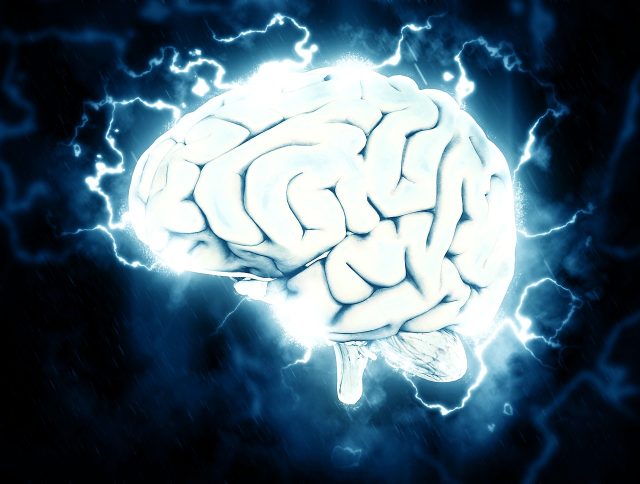
Most of us aren’t in the habit of thinking about, let alone intentionally caring for, the health of our brains. Those who are in such habits are likely to be people who study brains for a living (people like neurologists and psychiatrists, not zombies) or people who have had something go seriously wrong with their brains, to the point where it interfered with their ability to function. Their experience has convinced them their brains are worth nurturing deliberately.
The rest of us have the luxury of seeing our brain functions as automatic, mysterious, and outside our control. Or we just never give them any thought. As we learn more and more about how our brains work, and what they need, we may begin to think differently about taking them for granted.
But I didn’t start writing this to issue a warning; I wanted to share hope. There is good news here, in the changeability (plasticity) of our brains. Just as our environment and experiences can have a detrimental effect on our brains, they can have a healing effect. We can make choices that promote health in our brains–even when our brains are already disordered. In fact, that’s one of the reasons good therapists can be so helpful–they help us find new ways of thinking and adapting to our realities. As a coach, I know my work can have this effect too, even though it is not designed to heal or treat mental health problems. Our brains really can learn to be healthier as we treat them well.
So if you are tempted to believe you’re stuck as you are, or someone you love is doomed to a broken brain, take heart. The same flexibility that makes our brains susceptible to malfunction can make them dexterous, resilient, and ripe for healthy new growth.
Source:
Permission – Amy Simpson , The Good News About Brain Disorders
Where to Get Help in Australia
Talk to your doctor who can point you in the right direction.
Visit CCAA to search for a Christian counsellor near you.
Visit ACA to search for a counsellor near you.
Free 24/7 Counselling Services
Lifeline on 13 11 14
Kids Helpline on 1800 551 800
MensLine Australia on 1300 789 978
Suicide Call Back Service on 1300 659 467
Beyond Blue on 1300 22 46 36
Headspace on 1800 650 890
Studying at aifc
Have you thought about counselling? It’s a great opportunity to learn how you can extend God’s love and grace to the hurting out in the community. For those who would like to enrol in aifc’s accredited Christian counselling courses we have two intakes per year for courses commencing around the following months:
- At The beginning of each year in February.
- Mid-Year courses commence in July.
Enrolments open approximately 3 months prior the courses commencing. Enquire now by filling out the form with your details to receive course information by email.
Note: A Masters course in Christian counselling will be introduced in 2018.
Contact aifc Monday to Friday from 9am – 5pm with your enquiries on 6242 5111 or toll free on 1300 721 397
Related posts
Equipping Christian Care
Who Is Carrying the Pain in Your Community? Why the Church Needs More Trained Listeners Most churches and Christian communities know that people are struggling. Increasingly, trained Christian counsellors are becoming essential to how responsibility for care is understood, shared, and sustained over time. Pain rarely announces itself publicly. It shows up in the quiet…

Why Celebration Matters
Celebration: A Practice That Restores Soul, Body, Relationships, and Spirit As Christmas and the holiday season approach, celebration becomes more visible around us — lights glowing in windows, gatherings filling calendars, and moments of reflection marking the close of another year. Yet in the busyness, the deeper purpose of celebration is often overlooked. This leads…

Do You Want to Get Well – Part 2:
Entering the Deep, Life-Giving Restoration of God Christian healing is one of the most misunderstood words in the Christian vocabulary. For many people, healing sounds like “getting fixed,” “getting over it,” or “getting back to normal.” But the biblical and theological vision of healing is far more expansive, richer, and more deeply hopeful than anything…
Christian Revival in Australia – We Need Counsellors
Revival Is Here. Are You Ready? Across the world—and here in Australia—we’re seeing signs of a Christian revival. In the middle of rising anxiety, fractured communities, and a search for stability, more people are returning to faith. And not just in theory—church attendance is increasing, interest in Christianity is growing, and spiritual conversations are becoming…