Developing Cultural Sensitivity in Counselling
In an increasingly multicultural world, cultural sensitivity has become critical to effective counselling. Understanding, respecting, and navigating cultural differences is essential for building trust and fostering meaningful therapeutic relationships. For Christian counsellors, this means reflecting Christ’s love by treating everyone with dignity, empathy, and respect, regardless of their cultural background.
The Importance of Cultural Sensitivity in Counselling
Cultural sensitivity in counselling is about more than acknowledging diversity. It involves actively seeking to understand each person’s unique experiences, values, and beliefs. With this understanding, counsellors can avoid unintentionally alienating or misinterpreting their clients, hindering the therapeutic process.
From a Christian perspective, cultural sensitivity aligns with the biblical mandate to love one another and value all people as created in God’s image. It challenges counsellors to move beyond their biases and assumptions to provide compassionate and inclusive care. By doing so, counsellors not only enhance the effectiveness of their practice but also contribute to a world where relationships are marked by understanding and mutual respect.
Addressing Diversity and Inclusivity in Christian Counselling
- Understanding Cultural Worldviews: Christian counsellors must understand how cultural worldviews influence a client’s perception of self, others, and God. This involves listening profoundly and asking thoughtful questions that uncover the client’s unique cultural narrative.
- Recognising Biases: Acknowledging and addressing personal biases is vital in becoming a culturally sensitive counsellor. This requires humility and a commitment to continuous learning and self-reflection.
- Building Cross-Cultural Competence: Counsellors should develop skills to work effectively with clients from different cultural backgrounds. This may include learning about cultural traditions, communication styles, and family dynamics that differ from their own.
- Integrating Faith and Culture: Faith and culture are deeply intertwined for many clients. Christian counsellors must be prepared to explore how these elements intersect in their clients’ lives, offering culturally relevant and biblically sound guidance.
aifc’s Commitment to Cultural Sensitivity
At the Australian Institute of Family Counselling (aifc), we believe that healthy relationships begin with understanding and respect. Our programs are designed to equip students with the skills needed to counsel individuals from diverse cultural backgrounds with empathy and sensitivity. Through a Christ-centered approach, we prepare our graduates to:
- Navigate cultural differences with grace and understanding.
- Address cultural factors that influence mental and emotional well-being.
- Offer counselling that reflects biblical principles of love, respect, and inclusivity.
AIFC is committed to fostering a learning environment that celebrates diversity and equips students to be agents of reconciliation in their communities. By integrating faith and cultural competence, we ensure that our graduates are prepared to meet the challenges of today’s multicultural society.
Start Your Journey with aifc
If you are passionate about counselling and want to make a difference in diverse communities, AIFC’s culturally responsive counselling courses are the perfect place to start. Gain the skills to counsel with cultural sensitivity and reflect Christ’s love in every interaction.
Enrol in aifc today and take the first step toward transforming lives and building healthier, more inclusive communities.
Learn More About Cultural Sensitivity in Counselling
Related posts

When Self-Care Isn’t Enough
A Biblical View of Soul Care In recent years, the language of self-care has become common. We hear about taking breaks, reducing stress, protecting our energy, and setting boundaries. Some of that can be helpful. But for Christians — and especially for those preparing for counselling, ministry, or other helping roles — self-care on its…

R U OK? Listening, Caring, and Pointing to Hope
R U OK? Day: Listening, Caring, and Pointing to Hope Today is R U OK Day checking in with care, a national reminder of the power of a simple question. Four small words—“Are you OK?”—can open the door to a conversation that brings light into someone’s darkest place. As someone with compassion and a heart…

Who Told You That? Replacing False Narratives with God’s Truth
The Stories We Tell Ourselves And the invitation to realign with God’s story We are storied people. Every one of us is shaped—not just by our experiences, but by the meaning we make of them. The human mind naturally organises life into narrative. We take events, emotions, and relationships, and we string them together to…
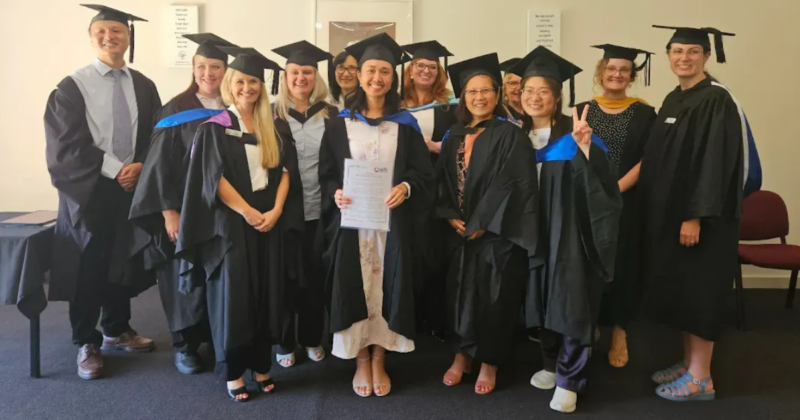
Celebrating Our Graduates – Called, Known, and Sent
Celebrating the 2024 Graduates: Answering the Call to Christian Counselling Graduation: A Time for Reflection and Celebration Graduation is more than a ceremony—it’s a significant milestone that marks a journey of growth, perseverance, and faith. For our 2024 graduates, this moment is a celebration of their dedication to becoming Christian counsellors. Transformation Through Faith and…