Understanding Post-Traumatic Stress Disorder: A Journey to Mental Health
Introduction
In the realm of mental health, Post-Traumatic Stress Disorder (PTSD) stands as a complex and challenging condition. It is an emotional battle that many individuals who have experienced trauma find themselves grappling with. In this article, we will explore the concept of Post-Traumatic Stress Disorder (PTSD), its symptoms, its causes, and the significance of counselling in its treatment. It is vital to bring attention to this disorder, not only to educate but also to diminish the negative connotations associated with it.
Defining Post-Traumatic Stress Disorder
Post-Traumatic Stress Disorder, commonly known as PTSD, is a mental health disorder that can develop in individuals who have experienced or witnessed a traumatic event. These events can range from accidents, natural disasters to physical or emotional abuse, combat, and more. It is vital to recognise that not everyone exposed to trauma will develop PTSD, and it is not a sign of weakness. The disorder can manifest differently across individuals and communities.
Symptoms of PTSD
1. Re-Experiencing Symptoms:
- Flashbacks or distressing dreams about the traumatic event.
- Intense and prolonged distress when exposed to reminders of the trauma.
- Physical reactions, such as increased heart rate and sweating, when reminded of the event.
2. Avoidance Symptoms:
- Avoiding thoughts, feelings, or conversations related to the trauma.
- Avoiding places, people, or activities that serve as reminders of the traumatic event.
- Feeling detached from others and experiencing a reduced range of emotions.
3. Hyperarousal Symptoms:
- Irritability and anger outbursts.
- Difficulty falling or staying asleep.
- Being constantly on edge and easily startled.
- Negative Changes in Cognition and Mood:
- Inability to recall key features of the traumatic event.
- Persistent negative beliefs about oneself, others, or the world.
- Feelings of guilt, shame, or blame.
It is important to note that these symptoms can significantly impair an individual’s daily life and functioning. The intensity and duration of these symptoms may vary, but they can persist for months or even years if left untreated.
Causes of PTSD
The development of PTSD is a complex interplay of various factors, including the nature of the trauma, an individual’s coping mechanisms, and their support system. Here are some key factors that contribute to the onset of PTSD:
- Traumatic Event Severity: The more severe the trauma, the higher the risk of developing PTSD. Events like combat experiences or sexual assault tend to be associated with a higher likelihood of the disorder.
- Duration of Trauma: Prolonged exposure to a traumatic event or repeated exposure to traumatic incidents can increase the risk of PTSD.
- Personal Resilience: An individual’s ability to cope with stress and trauma can influence their susceptibility to PTSD. Those with strong coping skills may be less likely to develop the disorder.
- Support System: Having a solid support network, including friends and family, can mitigate the risk of developing PTSD. Social support can play a crucial role in recovery.
The Role of Counselling in PTSD Treatment
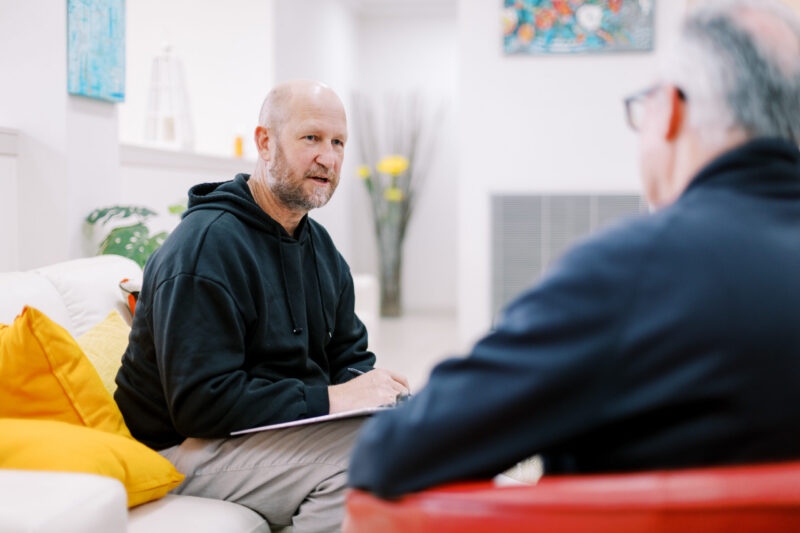
Counselling is an integral component in the treatment of PTSD. It offers individuals an opportunity to work through their traumatic experiences, understand their symptoms, and develop effective coping strategies. Here are some therapeutic approaches commonly used in the treatment of PTSD:
- Cognitive-Behavioural Therapy (CBT): CBT is a widely used therapeutic approach for PTSD. It focuses on identifying and challenging negative thought patterns and beliefs related to the traumatic event. Through CBT, individuals can learn healthier ways to cope with distressing memories.
- Exposure Therapy: Exposure therapy involves gradually and systematically exposing individuals to their traumatic memories in a controlled and safe environment. This helps desensitise them to the distressing elements of the trauma.
- Eye Movement Desensitization and Reprocessing (EMDR): EMDR is a specialised form of therapy designed for individuals with PTSD. It combines elements of exposure therapy with guided eye movements to help process traumatic memories and reduce distress.
- Group Therapy: Group therapy provides individuals with a supportive environment to share their experiences and learn from others who have faced similar challenges.
- Medication: In some cases, medication may be prescribed to alleviate specific symptoms of PTSD, such as anxiety or depression. Medication is often used in conjunction with therapy.
The path to healing from PTSD is a highly individualised journey. It is essential to find a treatment plan that works best for the individual, and often, a combination of therapeutic modalities is the most effective approach.
Conclusion
Understanding Post-Traumatic Stress Disorder is crucial for anyone seeking to improve their mental health or support others in their journey to recovery. PTSD is not a sign of weakness but a natural reaction to traumatic events. It is a condition that can be effectively managed and treated with the proper support and therapeutic interventions.
Counselling plays a pivotal role in helping individuals navigate the complex terrain of PTSD. It empowers individuals to confront their trauma, develop healthy coping strategies, and ultimately reclaim their lives. If you or someone you know is struggling with PTSD, seek help from a qualified Counsellor. Remember, healing is possible; no one needs to face this battle alone.
Related posts

Equipping Christian Care
Who Is Carrying the Pain in Your Community? Why the Church Needs More Trained Listeners Most churches and Christian communities know that people are struggling. Increasingly, trained Christian counsellors are becoming essential to how responsibility for care is understood, shared, and sustained over time. Pain rarely announces itself publicly. It shows up in the quiet…

Why Celebration Matters
Celebration: A Practice That Restores Soul, Body, Relationships, and Spirit As Christmas and the holiday season approach, celebration becomes more visible around us — lights glowing in windows, gatherings filling calendars, and moments of reflection marking the close of another year. Yet in the busyness, the deeper purpose of celebration is often overlooked. This leads…

Do You Want to Get Well – Part 2:
Entering the Deep, Life-Giving Restoration of God Christian healing is one of the most misunderstood words in the Christian vocabulary. For many people, healing sounds like “getting fixed,” “getting over it,” or “getting back to normal.” But the biblical and theological vision of healing is far more expansive, richer, and more deeply hopeful than anything…
Christian Revival in Australia – We Need Counsellors
Revival Is Here. Are You Ready? Across the world—and here in Australia—we’re seeing signs of a Christian revival. In the middle of rising anxiety, fractured communities, and a search for stability, more people are returning to faith. And not just in theory—church attendance is increasing, interest in Christianity is growing, and spiritual conversations are becoming…