A Brief Look At Autism Spectrum Disorder
Autism is a deep rooted neurodevelopmental condition that lasts a lifetime and according to the DSM-5 is diagnosed & characterised by differences in two main areas; social communication and patterns of behavior. While genetics plays a role in Autism, we don’t yet know what causes it.
The word ‘Spectrum’ is used to describe a range of issues and difficulties that people with the disorder may face. While some experience difficulties requiring ongoing support and assistance, others may lead quite normal lives.
Behaviours in those with Autism Spectrum Disorder
There may be restricted or repetitive behaviours and interests however the main problems faced are with social communication and interaction. Social communications differences can be quite significant in many areas. Some of those affecting the areas of developing and maintaining relationship with those in their own age or developmental level. Some have repetitive speech, repetitive movements with rocking or flapping of hands, repetitive use of toys or objects. They might prefer certain routines and become inflexible with any changes to those routines. They might have an unusual interest that’s restricted to a very small area.
Others display over sensitivity to the environment. Some display uncommon sensory interests like intense staring at a moving object or smelling/sniffing them. They may be sensitive to sounds that we hear every day that they may find irritating or be uncomfortable with. They also may avoid the feel of certain textures like sand for instance. While others may be under sensitive to their environment seeking out experiences like smell and touch while not registering pain.
Asperger’s Syndrome
Added under Autism Spectrum in the DSM-5, 2013, Asperger’s Syndrome is considered to be the mildest or less severe form of Autism with no general delay in cognitive development and no significant delay in language. The symptoms cause impairments to social and occupational functioning.
Early diagnosis is beneficial for helping parent to support children with Asperger’s Syndrome during their development, and allows the child to receive support and understanding at school from teachers with adjusting to school life, learning social skills and for their learning journey. Parents who notice developmental delays in their child do well to seek the advice of their family doctor.
Asperger’s Syndrome was named after Dr Hans Asperger who has been quoted as saying, “We are convinced, then, that autistic people have their place in the organism of the social community. They fulfill their role well, perhaps better than anyone else could, and we are talking of people who as children had the greatest difficulties and caused untold worries to their care-givers.”
‘What is Autism’ – Video from Autism Spectrum Australia
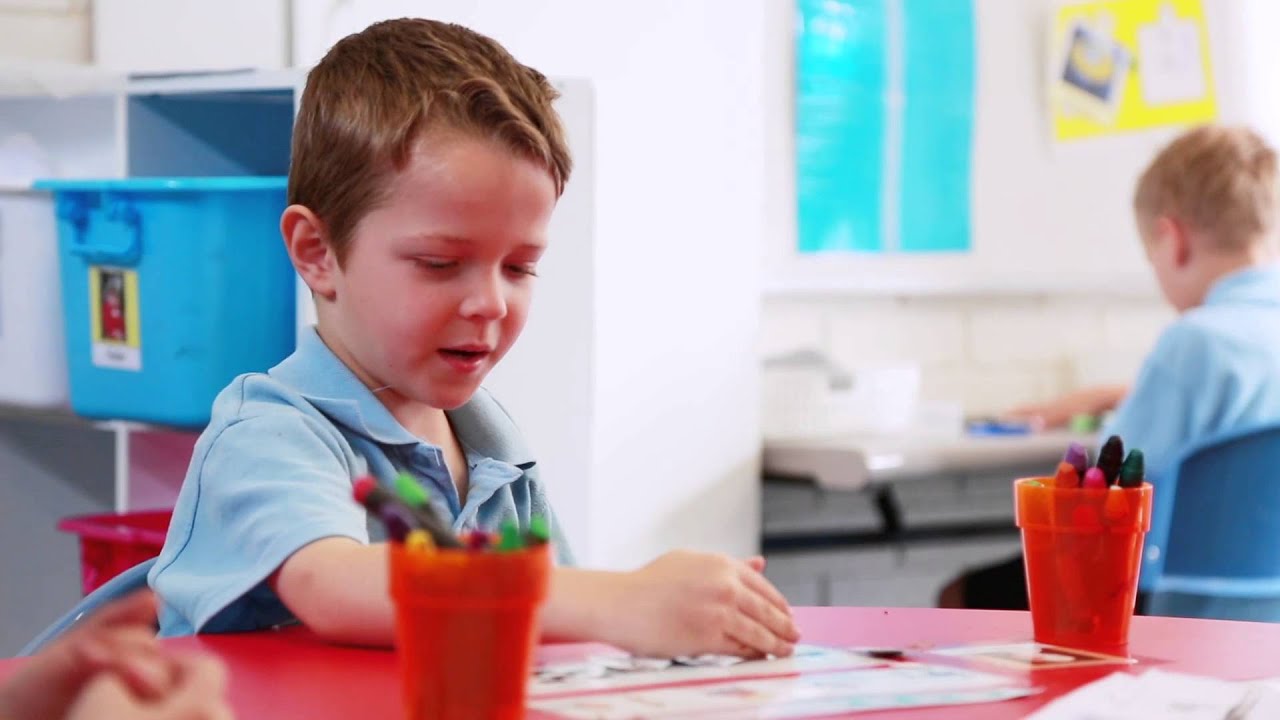
Children with Autism may have difficulties with…
- Talking to you
- Making eye contact
- Coping with change
- Screaming and tantrums
- Expressing themselves
- Reciprocating smiles
- Understanding non-verbal communication like eye contact, facial expressions, body language and gestures.
- Socialising with both adults and children
- Understanding people’s feelings
- Understanding what’s happening around them.
Statistics in Australia
According to Autism Spectrum Australia, in this country we have estimated as much as one in 100 people have autism. That’s almost 230,000 Australians. Boys are affected up to 4 times more than girls.
Sandra Ciminelli
Cred. Dip. Couns. (Christian)
Sources
Autism Spectrum Australia
YouTube Video – What is Autism? – Autism Spectrum Australia
Dear Hans Asperger – By Katherine Annear – ABC
Related posts
Equipping Christian Care
Who Is Carrying the Pain in Your Community? Why the Church Needs More Trained Listeners Most churches and Christian communities know that people are struggling. Increasingly, trained Christian counsellors are becoming essential to how responsibility for care is understood, shared, and sustained over time. Pain rarely announces itself publicly. It shows up in the quiet…

Why Celebration Matters
Celebration: A Practice That Restores Soul, Body, Relationships, and Spirit As Christmas and the holiday season approach, celebration becomes more visible around us — lights glowing in windows, gatherings filling calendars, and moments of reflection marking the close of another year. Yet in the busyness, the deeper purpose of celebration is often overlooked. This leads…

Do You Want to Get Well – Part 2:
Entering the Deep, Life-Giving Restoration of God Christian healing is one of the most misunderstood words in the Christian vocabulary. For many people, healing sounds like “getting fixed,” “getting over it,” or “getting back to normal.” But the biblical and theological vision of healing is far more expansive, richer, and more deeply hopeful than anything…

Effective Communication For Conflict Resolution
Communication skills can be used for building up relationships rather than tearing them down with our; anger, words and actions. Effective communication requires; respect, grace, empathy, active listening for adding value to the person being heard. The list below has a few dos and don’ts of effective communication for conflict resolution. WAIT FOR THE RIGHT…